

Promoting Africa’s
Tourism Worldwide
Connecting global travellers with premium African accommodation, agents, and destinations.
Explore Holiday
Guide Africa
- Hotel Reviews
- Destination Reports
- Country Guides
- Hotel Listings
- Special Reports
Must Visit Destinations in Africa
Africa's Top 3 Deepest Lakes
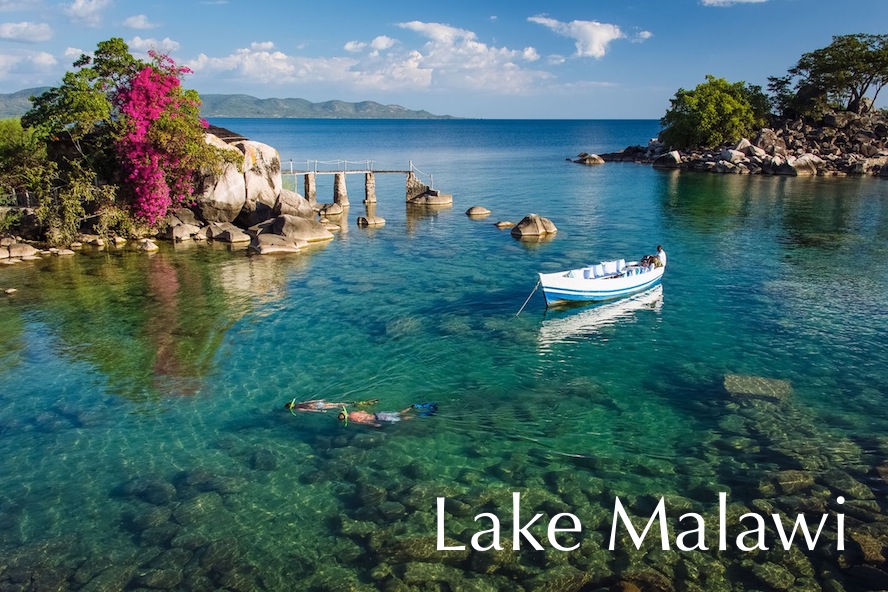
Africa is home to some of the largest, deepest, and all-round awe-inspiring lakes in the world. Most of the major lakes on the African continent are part of what is known as Africa’s “Great Lakes”. These are a series of lakes that lie along the East African Rift Valley and connect with both the Nile and Congo rivers. Here is a list, in order of depth, of Africa’s deepest lakes that are home to several unique aquatic species and offer unrivaled holiday experiences for travellers to Africa. 1. Lake Tanganyika Lake Tanganyika is not only the longest lake in the world (673 kilometres), but it’s also the second-deepest (1,470 metres) after Russia’s Lake Baikal. It’s also one of the oldest, dating back to 13 million years. The lake straddles the borders of Tanzania, Burundi, Congo DR, and Zambia. Considered one of the most biologically unique habitats in the world, Tanganyika is home to an exceptional diversity of fish, supporting more than 250 species of cichlids – 98% of which aren’t found anywhere else in the world. There are also about 75 non-cichlid fish species in the lake. The fish from Tanganyika is exported throughout East Africa and beyond. The lake’s warm blue waters make it an excellent destination for diving and snorkeling. Bird watching is also superb at Tanganyika. Over 250 species of cichlid fish live in the lake and 98% of these are endemic, meaning it has the highest number of endemic cichlid of any lake in Africa. The cichlid genera has multiple variations and Lake Tanganyika offers snorkelers and scuba divers an extremely diverse diving experience. Colorful, gleaming fish can be seen all over the Lake and charters to explore these areas are available from many of the lodges and camps dotted along the water’s edge. To fully explore the area there are plenty of options. From kayaking along its shores and islands, to quad biking in the hills around your lodge and even boarding a reinstated WW1 German auxiliary warship (MV Liemba) to travel from port to port. Every day presents a new opportunity to see more of this beautiful area. Then end each day sipping on a cocktail whilst watching the sun dip below the horizon over the lake. 2. Lake Malawi, also known as Lake Nyasa or Niassa Located between Malawi, Mozambique, and Tanzania, Lake Malawi is the southernmost lake in the East African Rift system and is the third-largest in Africa. A part of the Malawian section of the lake was turned into a national park, while the Mozambican portion was declared a reserve in 2011. Lake Malawi is home to 800 to 1,000 species of fish – the largest fish population of any lake in the world. There are numerous fishing villages around this vast body of water, where many people benefit economically from the lake. Legend has it that when the explorer David Livingstone arrived on the shores of Lake Malawi, he observed thousands of lanterns on fishing boats shimmering across the vast expanse of water, and called it "The Lake of Stars". Today you might not find quite as many fishing craft on the enormous, freshwater lake, but you will find hundreds of colourful cichlids flitting beneath the gin-clear water, crescents of golden-sand beaches and a smattering of idyllic lodges cocooned on the shoreline. Snorkelling, diving, boating and kayaking are all on offer to pass your days, or you can simply sit back and gaze at the sun-dappled lake in all its calm, serene and peaceful glory. Every year, the lake attracts hordes of local and international tourists who visit the charming palm-fringed beaches on the shores of the lake. Just like all the best places, Lake Malawi can be a little taxing to reach. Roads are bumpy, the journey by car is long, and flights can be expensive. But if you’re booking a safari package that includes Zambia or Zim, costs can be reduced, so don’t let the access to this paradise of a lake put you off. 3. Lake Kivu Lake Kivu lies in Central Africa on the border of the Democratic Republic of Congo and Rwanda, covering a surface area of over 2700 square kilometres. This fresh lake is believed to be one to five million years old, and has a depth of 485 metres. What’s fascinating is that the great lake contains high amounts of methane and carbon dioxide in the depth of its waters. Running for almost 100kms along the Congolese border, Kivu takes its place among the 20 deepest and 20 most voluminous freshwater bodies in the world. With no hippos or crocodiles and crystal clear, clean water, it is also one of the safest lakes in Africa. Rubavu (also known as Gisenyi) is a waterfront town located on the shores of Lake Kivu and at only an hour away from Volcanoes National Park, Rubavu is a great place to unwind after Gorilla Trekking adventures. Here you can sit on the beach, watch fishing boats plying the water, find interesting villages to explore, as well as see amazing birdlife set amongst true peace and tranquillity. It is also one of the world’s only 3 known exploding lakes; it’s not going to happen today though, so no need to worry. Further economic importance derives from the lake’s estimated 65 billion m3 of dissolved methane gas which is extracted to run boilers at the Bralirwa brewery in Gisenyi. Sitting on its shores, the resort towns of Cyangugu, Kibuye and Gisenyi are ideal rest and recreation transit points between the primate tracking destinations of Nyungwe Forest and the Volcanoes National Park. It’s also home to 31 species of fish, including Nile Tilapias, Lake Rukwa Minnows and various types of catfish. Fish that serve as a popular source of food for locals is the Tanganyika sardine. The lake empties into the Ruzizi River, which flows southwards into Lake Tanganyika.
Read Article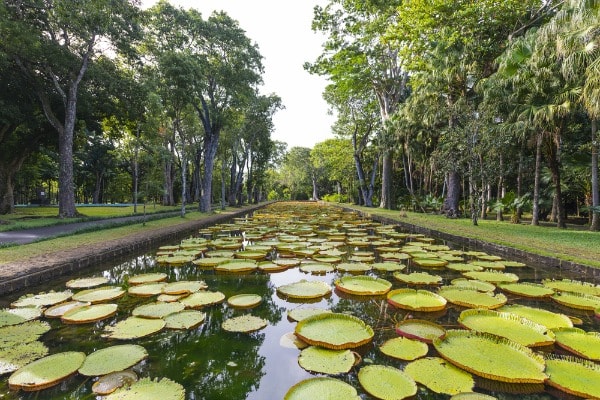
Top 10 Gardens in Africa
A visit to Africa isn’t complete without witnessing the wide variety of flora, fauna and wildlife the continent has to offer. Not only do the continent’s popular botanical gardens offer conservation efforts for flora and wildlife, they are educational and recreational, making them a must-see on your travel list and attract tourists from all across the world. Here are some noteworthy botanical gardens that are major tourist attractions in Africa: Here are botanical gardens across the continent that you should visit. Kirstenbosch National Botanical Garden Cape Town, South Africa The garden is one of ten National Botanical Gardens covering five of South Africa's six different biomes and administered by the South African National Biodiversity Institute. Kirstenbosch National Botanical Garden is located in Kirstenbosch on the eastern slopes of Cape Town’s Table Mountain and is one of the great botanic gardens of the world, spread over 528 hectares (1,300 acres). Kirstenbosch National Botanical Garden was built in 1913 to promote, conserve and display the rich and diverse flora of southern Africa region and has since become a major tourist attraction in South Africa. The garden famous for growing South Africa’s national flower, the Protea, as well as many other flora including the Fynbos, Erica and Restios. As an added bonus, there are more than 125 species of birds make this garden their home, including the Sugarbird, the Sunbird and the African Dusky Flycatcher, as well as a variety of insects (including the beautiful Table Mountain Beauty butterfly) and amphibians (including the Cape River Frog and the Chirping Frog). Visitors can go on the Centenary Tree Canopy Walkway of the garden or on a cycling route through the garden. A trip to Cape Town is not complete without a visit to Kirstenbosch National Botanical Garden. Seychelles National Botanical Gardens Mont Fleuri, Seychelles The Seychelles National Botanical Gardens is a popular tourist attraction in Pamplemousses, near Port Louis, Mauritius, and the oldest botanical garden in the Southern Hemisphere. It is populated with more than 650 varieties of plants and is home to a wide variety of flora and wildlife, including the Coco Der Mer, which has the biggest nuts in the plant kingdom, the Koko Maron which grows on the forest floor and is used by locals to make ropes and brooms and a number of spice and fruit trees. The signature feature of the gardens is an orchid house which holds a collection of brightly coloured orchids including Seychelles’ own native orchids. Visitors can reach the gardens either by foot (a 30 minute walk) or by car from downtown Victoria. One of the main attractions of the botanical garden is the 85 different varieties of palm trees brought from different corners of the world. Other indigenous species of plants are also exhibited here. Jardin Majorelle Marrakech, Morocco Jardin Majorelle is one of the most visited sites in Morocco, located in Marrakech and a major tourist attraction. The garden was created by French painter Jacques Majorelle in 1886 and purchased by French designer Yves Saint Laurent and his partner Pierre Berge in 1980. The garden displays more than 30 species of the cactus family as Majorelle was especially interested in the plant when he initially designed the garden. Bird lovers also love to visit the garden as it is home to a variety of bird species including the blackbird, sparrow and turtledove. The garden also displays bamboo imported from Southeast Asia, and features the Yves Saint Laurent monument which was erected in the designer’s memory after he passed away in 2008. A signature feature of the garden is the Berber Museum, which was opened in December 2011 to document the rich history of the Berber tribe. Visitors can learn more about Berber culture through a collection of photography, films, audio and music tapes. The garden covers an area of over two-and-half acres. Mauritius National Botanical Garden Pamplemousse, Mauritius Formally known as the Sir Seewoosagur Botanic Garden, the Mauritius National Botanical Garden, located in in the district of Pamplemousse, is one of the island’s most visited tourist attractions. The garden was initially the French governor’s private garden almost 300 years ago, but has since opened as the island’s national botanical garden. It is home to over 600 species of plants including the baobab, Palmier Bouteille and giant water lilies. It’s also home to talipot palm trees, which are native to Sri Lanka and the Malabar coast of India, the Jackfruit tree and the Indian almond tree, also known as the Bengal almond. Aswan Botanical Garden Aswan, Egypt The Aswan Botanical Garden, also known as Kitchener’s Island or El Nabatat Island, is Egypt’s world class botanical garden that is located on an island in the Nile River at Aswan. The island was previously owned by Lord Kitchener in the 1800s as it was given to him as a gift when he served as Consul-General in Egypt. The garden is not only a great leisure spot for families, but also serves as an important centre of botanical research in Egypt. There are many types of rare and exotic plant life to view at the garden, including the Royal Palm tree and the Sabal Palm tree, as well as plenty of bird life. The garden is reached either by public ferries that run between Aswan, Elephantine Island, and Kitchener’s Island or by hiring a felucca. Entebbe Botanical Gardens Entebbe, Uganda The Entebbe Botanical Gardens are located on the shores of Lake Victoria in the Ugandan town of Entebbe, just outside of the capital Kampala. There is a huge variety of plantations and trees on the island. Some of which were naturally found on the island, before it was converted into a botanical island, and others have been brought in. There is a number of rare palm trees such as the Royal Palm tree, the Sabal Palm tree, and the Phonic Pam tree. The gardens are also popular for the wide variety of bird species that are found there, including eagle owls, sunbirds and black weavers. On and around the shores of the lake, a variety of wildlife can be spotted, including the African Open-billed Stork, yellow billed duck and grey headed gull. The gardens house a small patch of rainforest which is home to thick forest underbrush, bamboo and medicinal plants and magnificently tall trees. Aburi Botanic Garden Accra, Ghana The Aburi Botanic Garden, located just outside the capital city Accra, is one of Ghana’s most beautiful tourist attractions which overlooks the Accra coastal plain. The garden plays an important role in encouraging cocoa production in the southern region of Ghana by supplying seedlings and information about scientific farming methods. The garden has many species of flora for conservation purposes, including mimosa pudica, the Ficus tree and medicinal plants. There is also an abundance of bird and butterfly life that make the garden an ideal setting for picnics, nature lovers and wedding pictures. The garden has had many roles over the years, including plant introduction, teaching methods of modern agriculture and played an important role in cocoa production in South Ghana. Sarius Palmetum Botanical Garden Abuja, Nigeria Sarius Palmetum Botanical Garden, located in Maitama, Abuja in Nigeria, is home to over 1000 different species of plants, including about 450 species of palms. The garden houses Nigeria’s popular palms including oil and coconut palm as well as Bismarckia, golden and royal palm. The garden houses several of the nation’s endangered plants including the pepper fruit, succulent sea grapes, or coccoloba uvifera and pitanga cherry or eugenia uniflora. The garden was started by one of Nigeria’s first ladies Ajoke Muhammed out of her love for plants and a need to conserve Nigeria’s indigenous flora. Abuja is known for its numerous amusement and relaxation spots, yet this botanical garden appears to offer a unique experience. A scene for a Nollywood movie has already been shot on its terrain and an event called ‘Tamerri Festival’ which writers, poets, artists and filmmakers are expected to attend will take place there soon. Jardim Tunduru Maputo, Mozambique Jardim Tunduru, located in the heart of Mozambique’s capital Maputo, is a beautiful botanical garden that allows visitors a break from the bustling city. It was reopened in 2015 after undergoing rehabilitation to fix its greenhouse, fencing and public benches as well as improve its sanitation and irrigation systems. The garden has a rich collection of trees, shrubs and flowers, including the Jacaranda tree, magnolia and a range of Palmae plants. The garden is home to several wildlife including birds, butterflies and a colony of bats that rest in the treetops. The gardens were designed in 1885 by Thomas Honney – who in his career also designed gardens for the King of Greece and the Sultan of Turkey – and are exquisitely laid out, if at times a little overgrown. A fantastic place to go on a picnic, or just to escape the midday heat, the Tunduru Gardens also feature a tennis court and a statue of Mozambique’s first president Samora Machel. Nairobi Botanic Garden Nairobi, Kenya The Nairobi Botanic Garden, located at the Nairobi Museum ground in Kenya, is a beautiful garden that is ideal for a picnic or a quick getaway from the bustle of the city. The garden fulfills the functions of education, research, conservation and recreation, and is home to about 600 indigenous and 100 exotic plant species creatively laid out in thematic garden displays including the herb garden, which has the country’s indigenous medicinal plants, the succulents garden, which has a significant amount of succulent species found in Kenya and the quarry garden, which features a variety of papyrus plants, water lilies and other water plants. The garden is also open for hire for events such as parties, photo sessions and leisure activities. The garden is laid out in thematic displays. The themes integrate Kenya’s natural, historical and cultural heritage with plants and habitat displays.
Read Article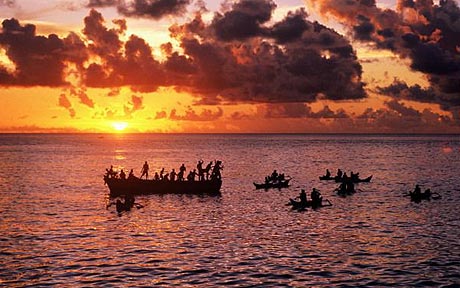
Secret Tourist Destinations in Africa
Africa is a tourist destination that never fails to amaze, boasting of moderate tropical weather conditions, friendly, hospitable people, and a plethora of interesting places to visit. However, there are some countries in Africa that are off the tourist trail and are like hidden jewels that are waiting to be discovered by those who are willing to stray off the tourist trail. We have compiled a list of just those countries that are not so popular when it comes to attracting large number of tourists, but are, nevertheless, endowed with immense natural beauty. São Tomé and Príncipe The island nation of São Tomé and Príncipe, located off the western equatorial coast of Central Africa, is the second smallest African country after the Seychelles, and the smallest Portuguese-speaking country with a population of just over 190,000 people. In 2019, the nation welcomed less than 75,000 visitors, which is relatively low compared to the number of visitors other island nation countries received, including Seychelles and Mauritius. Factors contributing to the low number of visitors include the country’s fragile and volatile economy, which is still heavily reliant on international financing, absence of roads and communication infrastructure, and underdevelopment of many travel and tourism-related facilities. Many tourists that visit the island nation, mostly Portuguese tourists, enjoy unspoiled landscapes and a warm, tropical climate. Interesting things to do include a visit to Obo National Park, which has over 700 species of flora and fauna, as well as white and black sandy beaches, a visit to various plantation houses that showcase the island’s colonial history, as well as various beaches that are far from being crowded and busy. Burundi Burundi is one of the smallest countries in Africa, located in the African Great Lakes region of East Africa. Just over 100,000 tourists visited the landlocked nation in 2019. A major reason for the decline in tourist arrival into Burundi is the political unrest that has plagued the country, including protests that broke out in 2015 after the ruling party announced President Pierre Nkurunziza would seek a third term in office and a failed coup that attempted to depose him. This led to as many as 100,000 people fleeing the country, causing a humanitarian emergency. The country’s tourism potential is high as it is rich in culture and history and has great attractions, including the famous Lake Tanganyika, which is one of the deepest lakes in the world, and national parks like the Kibira National Park and Rusizi Natural Reserve, which are home to lush tropical forests and wildlife and flora such as chimpanzees, baboons, and tall palm trees of the Hyphaene bengalensis var ventricosa species. Comoros Comoros, located at the northern end of the Mozambique Channel between Northeastern Mozambique and Northwestern Madagascar, is the third-smallest African nation by area and has a small population of over 700,000 people. The country received approximately 35,000 visitors in 2019. The Comoros has potential for a thriving tourism industry like neighbouring islands such as the Seychelles because of its beautiful beaches and warm tropical climate. However, political instability stands in the way of this. The country has experienced 20 coups since gaining independence from France in 1975. If the country were to gain political stability, it would face stiff competition from more established tourism industries of neighbours such as Seychelles and Reunion Island. A main tourist attraction of the island nation is the large Karthala Volcano located on the southern half of Grande Comore. The volcano is still active, and volcanic activity on the island have left black rocks along the coast line, which create a beautiful contrast with the crystal white sand and blue water of the ocean. Sierra Leone Sierra Leone only welcomed approximately 30,000 visitors in 2019. The country’s 11-year civil war, which started in 1991, left the country in ruins, with over 50,000 deaths and many displaced throughout the region by the time it ended in 2002. Another factor that affected tourism in the country was the Ebola virus epidemic, which spread throughout the country in 2014 and killed over 3,000 people in the first 18 months. The country’s tourism sector has great potential due to its rich biodiversity. The 400-kilometre Atlantic Coastline is rich in marine life and boasts white sands and warm ocean waters, and there are lush rain forests that boast a myriad of wildlife, even though these are under threat from large scales of deforestation. Niger Niger, located in the Sahel Region of Western Africa, is a country that is rich in history and culture, once being home to the great ancient Mali and Songhai Empires, and being home to the nomadic Wodaabe Tribe. Niger is a developing country, which is not only less known for tourism and travel, but also ranks low on the United Nations’ Human Development Index. The country only received around 150,000 visitors in 2019. Developmental challenges that the landlocked country faces include drought and desertification due to the Sahara desert being located there, inefficient agriculture, high poverty levels, and overpopulation due to high fertility rates. Interesting tourist features of the country include the Termit & Tin Toumma National Nature and Cultural Reserve, which is one of Africa’s largest reserves, protecting several endangered animals including the dama gazelle and desert cheetah, as well as protecting the nomadic culture of several tribes while boasting a scenic desert landscape. It is also home to the Guérewol Festival of the Wodaabe, where young men dress up in elaborate ornamentation to sing and dance to attract the attention of marriageable young women
Read Article
Promote Your Tourism Agency in Africa
Featured Listing
Get a Featured Listing in the Africa Directory to reach your target audience.
Magazine Advertisement
Full-Page Advertisements in print + digital magazine layout.
Banner Advertising
Banner Advertising options available. Build brand equity in African markets.
Content Marketing
Company profile with complete detail writeups + product images.
Email Marketing
Dedicated email campaigns to business sectors of your choice.
Newsletter Advertising
Reach over 1.5 million registered corporate subscribers.
Business Matchmaking
Our automated systems connect buyers and sellers from travel industries.
Facebook Marketing
Reach 73,000+ targeted Facebook followers and readers.
Holiday Guide Magazine
Promoting Inbound Tourism to Africa
Holiday Guide magazine is the preferred medium for those seeking to attract travellers from across the world by promoting their services, properties, and facilities to their target audience globally. Published from Dubai, the magazine is a ready-reference guide for international travellers looking for new travel destinations in Africa.
Advertise in Magazine
Video Gallery
Powered by Holiday Guide